Hello and welcome back. I do hope that the past few months have treated you well.
And yes, I said months. It’s been a while since I’ve had the chance to sit down and do some solid work for the blog, but now, thankfully, here I am. Despite unintentionally putting the Vandemonian homesteader on the back burner, I am more than happy to report that my time away over the past few months has been incredibly productive. In the next post, I will give an update so you can see what I’ve been up to and discuss my thoughts about the process so far.
But before I get into that, I want to cover a topic I promised a while ago and go over some useful advice I was given and have learnt while shopping around for a solar power kit and a company to install it. While I’m not going to sit here and lecture you on how many kilowatt hours you need so you can boil your kettle, while watching TV, if you’re after a more technical explanation on the ins and outs of solar power, I suggest you look elsewhere. I will, however, share what could be some different points you may not have considered while planning your solar setup.
This is a short list of things I wish I had known or been told before looking at my options for a solar generator, and I hope by sharing these, I can help others to consider things they may not have originally considered and ultimately save you some time while you’re shopping around and planning for your solar system.
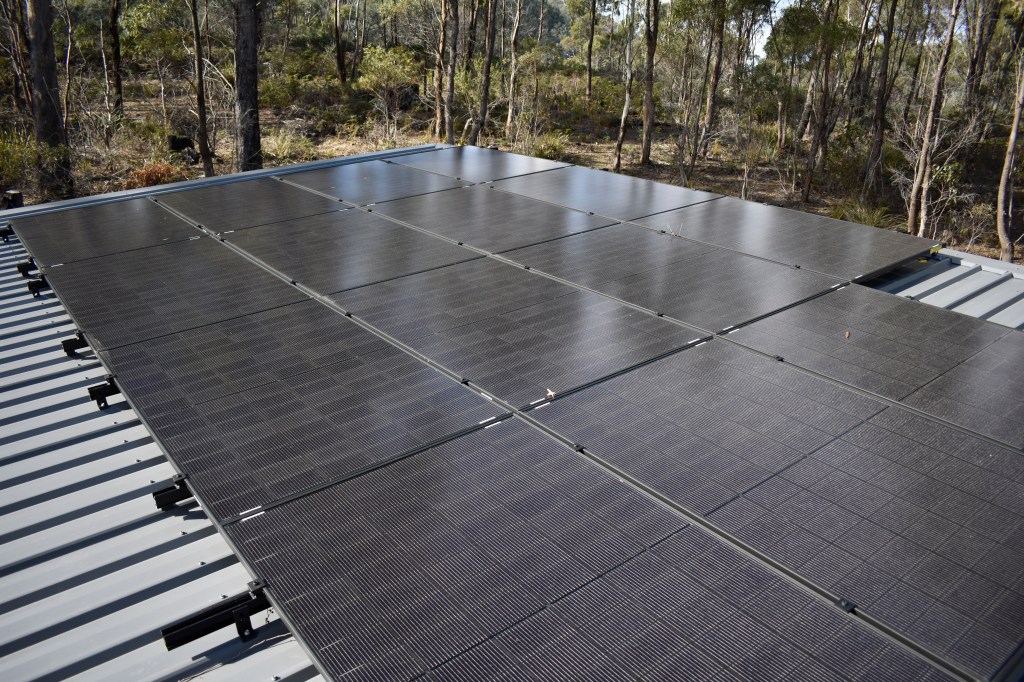
Thoughts for consideration before getting solar
Learn at least a little about your power usage
My first tip would for some, hopefully be common sense. But I daresay there are plenty of folk who, just like me, approached a few solar installation companies and asked for a “kit big enough for a small family home”. Now, in hindsight, I wish I had done a little more research beforehand, as I could have saved myself quite a bit of time if I had a better understanding of what my power needs were.
When you look at it, that is a pretty vague request. Is the family small or is the home? Are you all tech heads with appliances and devices constantly in use and charging, or do you live primarily outdoors? Asking for a “small family home-sized kit” can be open to a lot of interpretation, after all, your idea of a small family is probably different to that of the solar suppliers.
Now, for example, if you knew that you use on average 22 kWh of power a day, giving that information to the solar supplier is immediately going to give them a better understanding of your usage and needs. And ultimately help them put together the right-sized kit for your home.
The easiest way to find out how much power you use is to look at your bills. Most power bills will come with a small section that lists your average usage over the billing period. It should state there what your average kWhs are. If it doesn’t, you may need to contact your local electrical company to find out this information. When looking at your average power usage, it also pays to focus more on how much you use during the winter months instead of looking at summer or your yearly average.
The reason for this is that most people will be using more power during the winter months as they generally turn on their heaters and use their dryers for laundry. The shorter and darker winter days also mean you will be using more lights around the house for longer periods, which also adds up. So, knowing your average winter power usage will be a great asset when you’re shopping around.
Go the next size up
As was pointed out to me during my initial consultations with my solar supplier, it often pays to get a system that produces a little bit more than what you think you will need. And as easy as it is to chalk this up to a salesman trying to sell the bigger, more expensive kit, which I initially did, after some consideration, I changed my mind. Having a larger system installed gives you a little more wiggle room when it comes to what appliances you can use. As time, technology and trends change, there may be new appliances or electrical equipment that you wish to purchase. Or you may be lucky enough to take up a job that allows you to work from home. Having that extra power means you can get those new appliances or set up that home office without the worry of having to add extra batteries or panels just to power it.
Consider other solutions to your needs
This one may be obvious to some, but I still believe it needs to be mentioned. When planning to live off-grid, it helps to look at how you will cater for all your needs, how you will heat your home? How will you cook? Or how will you heat water for your showers? Thankfully, there are plenty of different solutions to these problems for you to choose from. And choosing a non-electric alternative to cater for all or some of your needs is a great way to help reduce your dependency on electricity. And in turn reduce the size of and cost of the solar generator kit you will end up needing. But as I will soon mention, there are pros and cons to everything that should be thoroughly considered before you commit.
In my situation, I decided on getting an old wood stove to both cook with and heat the house. This means I no longer need to worry about using inefficient and power-hungry plug-in electric heaters or fork out the money to get a new oven and heatpump as long as the extra panels and batteries to run them. I am also a fan of wood fire heating as it’s something I grew up with, and personally, I feel it does a much better job at heating a room than the average heatpump. However, for those of you familiar with the high temperatures we get here in summer, where the temperature sits around the mid-thirties, I made sure I had a second way to cook, so I didn’t have to maintain a fire all season. During those warmer months, I will shift from just using the fireplace for cooking, to instead using a bio gas cooker and when needed, the usual electric kitchen appliances like an air fryer, InstaPot or rice cooker.
When looking at alternative methods for your day-to-day needs, it pays to do a fair amount of research into the practicality of it and whether or not it’s worth pursuing. With the example I just gave about the wood stove. If you were to consider doing something similar, you should probably look into your local council’s stance on wood heaters. If you can’t collect firewood from your own property or bushland, can you purchase it, and how much will it cost? Do you have the time, desire, or physical ability to chop, stack and carry firewood?
Another example I have is an idea I ended up deciding against. Initially, I had always planned to have a gas water heater to provide the bathroom and kitchen with much-needed hot water. As tempting as it was, a wet back fireplace, which is where water pipes are built into the back of a wood stove so it can double as a water heater, was out of the question. As mentioned before, the last thing I want is to be maintaining a fire through summer.
However, gas seemed to be a great solution. I had found some external units online that would do the job perfectly, and their prices were pretty reasonable. Then, on the day when the solar installation company came to have a look and do a site visit, their rep asked what my plan for water heating was. I mentioned gas, and we continued to discuss the topic for a bit, going over the pros and cons of the various water heaters, both gas and electric. And in all fairness, the rep raised a few points I had failed to consider.
The one thing he said that made me change my mind was that, regardless of the gas heater I go with, I will still have to be paying for something regularly. If I went with the smaller gas cylinders, like what you would normally need for a barbecue, I would be changing them over more often and would have to personally drive to the hardware store or service station to swap them over when I needed a new one. If I instead opted for the larger residential-sized cylinder, I would need to rent those cylinders from a local gas company. Now all of a sudden, I’m paying a monthly rental fee and when needed, a delivery fee and no doubt an admin or processing fee on top of both.
However, during the discussion with the solar rep, he suggested getting an 1.8Kw electric hot water system and have it set up so that it heats water during daylight hours, so it won’t be drawing from my batteries at night. And after some consideration and doing more research on the gas heaters, I ended up changing my mind and purchasing an electric hot water cylinder as this option seemed more practical for my needs and ultimately less work mucking around with swapping gas cylinders or paying for expensive deliveries and rental fees.
Always have a site visit before installation
This is another one I am a firm believer of, regardless of what trade or service I am about to hire, I always insist on them coming out to check the site and its access. Thankfully, most solar installation companies will want to come and have a look before installation, as it can help them to provide the right product and ensure your roof receives direct sunlight. It also allows them to discuss the placement of the batteries and inverters. If you do happen across a company that is comfortable just going with a satellite photo of your site, I suggest you look elsewhere.
During this visit, feel free to pick their brain about anything related to your solar needs. Now is your chance to ask all of the questions you could imagine, regardless of how silly you think they may be. Being in person with a solar rep at the place you’re going to have everything installed is a great opportunity, as it makes it so much easier to discuss and point out any potential concerns you have. At this stage, the more information they have, the better. Tell them how you plan to heat your home, and what your average power usage is. Obviously, don’t bore the poor person to tears with your life story and the story of every little decision that led up to this current moment, but instead, use this visit as an opportunity to share your vision as much as possible to ensure they are on the same page and can help you achieve your goals.
After-sales service and assistance
Im not going to lie, even with government rebates, getting yourself hooked up to solar power is expensive. And one thing I highly recommend is getting a company that can do remote monitoring and provide after-sales assistance. After all, this is a big investment and getting a team of professionals willing to help you look after that investment is a huge bonus.
A large drawcard of the company I ended up deciding on was the fact that they can provide remote support and monitoring. It helps to provide an extra layer of protection should something go wrong. Thankfully, I haven’t had to rely upon them yet for that feature, and they are unable to perform remote monitoring until I get an internet connection. But that will be resolved once I move in and have once connected.
On a side note, though, just recently, I called them back to book a date that they could come out and complete some more work I needed done before I move in. Not only did the guy on the phone remember who I was, but he was also able to recall what I’d done in the past and where it was.
Now I understand most business these days keep a log of any work they do and who they do it for, but having the guy on the other end of the phone instantly know who you are and what saystem you’ve got, even before hes pulled up your file, is not only a great example of peak customer service, but it makes it easier for you to ask any questions and get a quick awnser. Any question along the lines of “can I do this” is quickly met with a yes or no and a list of what needs to be done or why it can’t be done, and, hopefully, with any luck, another solution that suits your plans and system is provided.
Having staff providing service like this to help maintain your investment is a big relief, and one final thing I recommend is paying attention to how the team you’re about to hire interacts with you during the initial discussions and site visit, and look at plenty of reviews for the company. These will be some great indicators as to whether or not you will be just another job to be completed or if you will become a client that will hopefully provide repeat business.
All in all, I feel the best advice I can offer was mentioned earlier in this post: ask any question you have, regardless of how silly or basic you think it may be. Nobody is going to judge you, and it’s better to ask the questions you have and get something that suits your needs instead of trying to find new solutions after you’ve paid your money and had a kit installed.
And with that, we come to the end of another post. As I mentioned all the way up there back at the beginning, in my next post, I will be sharing an update on what I have been up to over the past few months. So if you’re keen to see some progress with my little patch of dirt, feel free to keep an eye out for that. Hopefully, it won’t be another few months before I get to posting it.
Until then, thanks again for dropping in. I hope you’ve enjoyed it. Hopefully, I’ve been able to provide a few new points for you to think about. If you have any tips from your own experiences that you feel are worth sharing, please add them to the comments below. Until next time, thanks again and I will catch you later.
 Vandemonian Homesteader