Hello, and welcome back to another post. As usual, I hope life is treating you well. Here in Vancouver, the weather is getting warmer and sunnier, and I am enjoying the change of scenery it brings to the downtown area. The trees are turning green, and the flowers are blooming, adding more colours to the typically grey cityscape.
With my seedlings still a few weeks away from being ready, I thought that while I wait for them to grow, I will continue with the theme of my last post and stay in the kitchen for a little longer. This allows me to cover a few kitchen-related skills that anyone could find helpful. Knowing your way around a kitchen is a skill that everyone should have, especially if they want to become a homesteader and live remotely. You won’t be able to make daily trips to the store, so you will have to make the basics from scratch, which also means you will need to learn the importance of maintaining a well-stocked pantry. Cooking skills are also helpful if you’re looking to preserve your harvest. Fruits and berries can be turned into jams and spreads, vegetables can be pickled, and meats butchered. For the last 20 years I have been working on and off in kitchens, and I have also lived remotely during this time. So I have had plenty of opportunities to apply the skills and knowledge I have gained from my career to my kitchen at home. This information may seem basic and common sense for some, but I have met enough people who lack these skills to make it worth sharing. And more importantly, for those like me currently living in cities and working towards becoming a homesteader, now is the perfect time to practice these skills because if you make a mistake, the store is just down the road.
So today, I will discuss some of the things you should have in your pantry, how to store them and some basic kitchen utensils and equipment you may need. So hopefully, this and my upcoming posts will help build confidence in the kitchen for when you head out onto your remote property far from the safety of your local supermarket.
Your pantry
Most homes in towns or cities often lack a proper pantry and storage area. Storage is more of an afterthought; a few cabinets above the kitchen counter seem to be the most you will get. You may not be at the stage where you have an entire room for food storage, but with some organisation, you can maximise your space. Stackable storage containers are a great place to start. In one place I worked, the kitchen used gravy powder that came in 2-litre yellow tubs. These tubs were food-grade, compact and stackable. So each time we emptied one at work, I would wash it, take it home, and use it to store my dry goods. I understand most people can’t do the same. But your local hardware or dollar store may have small buckets or tubs you could use. However, you must check if they are food-grade containers and safe to store food in before you get carried away. As much as I am trying to reduce my reliance on plastics, using plastic buckets or tubs to store food in can be cheaper and easier than using glass jars.
Another thing you could consider is that if you have a dozen or so loose spice packets in your cupboard, you could place them in a small box with an airtight lid. This allows you to store them all in one place. Making it easier to find what you’re looking for and keeping things clean by preventing spills. I do the same with my salt and pepper grinders; I keep them in a small tub with no lid. Any salt or pepper that falls out stays in the tub, allowing me to use it later while keeping the pantry clean.
If you are lucky enough to have a pantry that allows you to store larger items, you can also buy 20-litre food storage buckets with airtight lids. Your local hardware or hospitality supply store should stock these. Large buckets like these are ideal for food storage as they are not only stackable, but the airtight lids help prevent pests from getting in, and if the buckets fall over, the lids stay on, avoiding spills. In the past, I would repurpose empty 20-litre mayonnaise buckets I took from work and use them to store the rice, flour and dry food for the dog that I bought in bulk.
While on the subject of pests, something that is required in commercial kitchens back in Australia is that food storage containers are raised 15cm off the ground. This can be achieved by adding a small metal rack at the base of your pantry, finding castor wheels for your storage buckets or building a shelf. This, and the food storage containers, prevents rodents from accessing your stores.
What to stock
Your list of pantry basics will no doubt be different to mine. Below is a list of what I consider to be the basics that any pantry should have. The list of staples is dictated by your eating preferences and the space available to store food, so feel free to change it to suit your needs. It also helps to start if you’re not already tracking how much food you have stored in your cupboards. If your storage system is neat and organised, it’s easier to take a mental note of what you have and if you need more as you use it.
Baking
- Flour ( both all-purpose and self-raising)
- Baking soda
- Baking powder
- Cornstarch
- Gelatin, agar agar, pectin
- Sugar (both granulated sugar and icing)
- Vanilla extract
- Cocoa powder
- Yeast
Cooking
- Rolled oats
- Tomato sauce/passata
- Honey
- Maple syrup
- Dried pasta
- Dried noodles
- Rice (both long and short grain)
- Peppercorns
- Salt
- Extra virgin olive oil
- Canola oil
- Dried fruits and nuts
- Dried beans
- Mixed herbs and spices
- Vinegar (apple cider, balsamic, red wine, white)
- Shelf stable or UHT milk
- Coffee
- Tea (any type you like)
Refrigerated
- Eggs
- Butter
Utensils and equipment
Unlike most things where I try to buy the cheapest version of what I am looking for, I firmly believe in spending money on quality equipment and tools when you need to. The kitchen and the utensils within are no exception. Nothing is more frustrating than having a potato masher break mid-mash or having your tongs fall apart when needed. Purchasing good quality yet basic utensils can make a difference. I also find the more functions a utensil has, the more chances it will break. It’s like the old saying, why give five things 20% when you can give one thing 100%. I used to work with a chef who used a knife his grandfather once used. Despite age, The knife was beautiful and still worked as it should. Just like tools from the shed or garden, they age beautifully and could become heirlooms if looked after. When buying some of these items, I avoid the modern trendy homemaker or kitchen décor/knick-knack stores. All they do is sell overpriced rubbish. Instead, look for industry supply stores that sell to the public. The equipment is generally better priced and more hardwearing. Below is a list of some items I recommend getting and familiarising yourself with. I’m only mentioning specific things that usually are not considered when people set up their kitchen. I don’t see the point in listing pots and pans when everyone has them already. As with the previous list of pantry staples, your needs will differ depending on what you eat and how you cook. So again, these are what I would buy when Im setting up a new kitchen because these items have worked well for me, and I highly recommend getting them.
- A good quality 10″ or longer chefs knife. Avoid the knife box sets. Get something that looks good and feels right, and spend money. My day-to-day chef’s knife set me back nearly 300 dollars, and it’s been going strong for over six years.
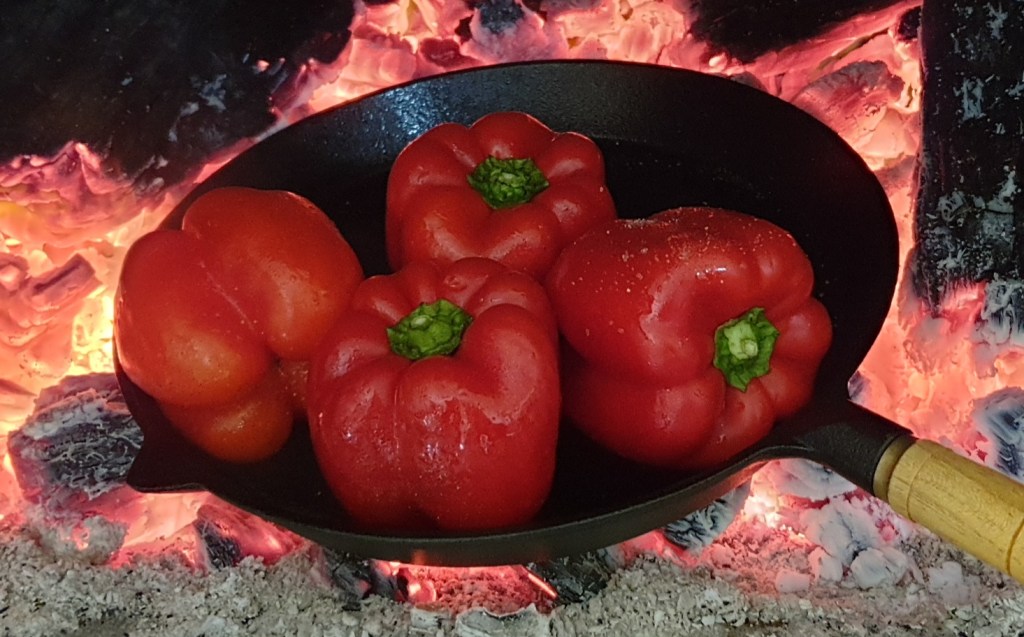
- Cast iron pan or skillet. Very useful for cooking on open flames and can add a unique taste to the food cooked in it. I used to always use one in the fireplace at one of my old addresses. It was brilliant for adding a wood-fired char to my vegetables. One of my old skillets is pictured above.
- Wooden chopping or cutting boards of various sizes. Yeah, they cop a lot of flak about not being as safe as plastic but provided you sand and oil them once in a blue moon, they are fine. And besides, they also double up as fantastic bread or charcuterie platters.
- Measuring spoons, cups and jugs.
- Electric mixer. I like doing things the old-fashioned way as much as the next guy, but whipping things by hand can get tedious.
- Wooden spoons. Same as the wooden cutting boards, they are falling out of favour, but as far as I am concerned, they can’t be beaten.
- A thick-bottomed 10 to 15ltr stock pot. Although storing this pot when not in use can be difficult, it is ideal for making sauces or stocks.
- A round or diamond edge honing steel. It helps to maintain an edge to your knives between sharpening.
- An electric probe thermometer.
- Electric scales.
- Roasting pans.
- Bread or loaf pans.
Cooking for many can be intimidating, but the more comfortable and knowledgeable you become in the kitchen, the easier it becomes. Honestly, I love nothing more than spending a day in the kitchen at home with wine, music and someone to talk and eat with. good conversation. It can be very relaxing. While living in the city and working towards the big move, I suggest purchasing some of the items I mentioned, stocking up your pantry and trying new recipes. And if urban homesteading is more your thing, these skills are still just as valuable because the more you learn to cook from scratch, the less you rely on mass-produced food, and you gain greater control over what you eat.
So that’s all from me for today. Next week I will start to cover some kitchen skills I think would be useful, starting with deconstructing a chicken. Thanks again for dropping in, and until next time, have a good one, and I will catch you later.
 Vandemonian Homesteader
Leave a comment